Your books are a mess. You do not know if you are making money. Tax time gives you nightmares. Your accounting is holding your business back.
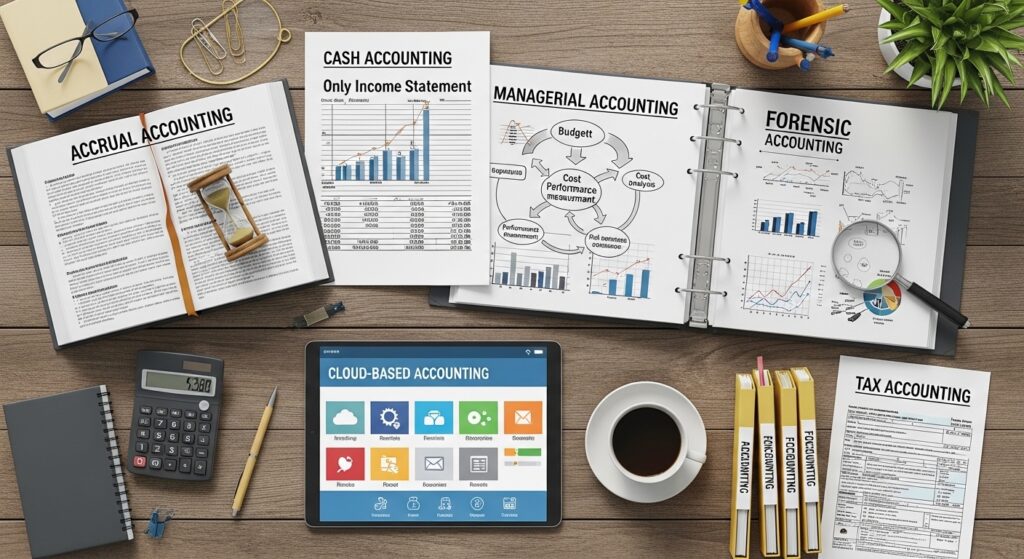
Business accounting methods determine how you record and report financial transactions. The right method provides accurate financial information and simplifies tax compliance. Choosing the best business accounting methods helps you make informed decisions and stay compliant.
This guide covers different accounting methods and how to choose the right one. We look at cash versus accrual, bookkeeping approaches, and implementation strategies. Let’s organize your finances.
Key Takeaways
- Understand different accounting methods available.
- Learn how to choose the right method for your business.
- Discover the pros and cons of each approach.
- Find out how to implement accounting systems.
- Get tips for maintaining accurate records.
- Learn common accounting mistakes to avoid.
Why Accounting Methods Matter
Your accounting method affects financial reporting and taxes.
Accounting Impact
| Factor | Impact |
|---|---|
| Tax liability | When you pay taxes |
| Financial clarity | Understanding profitability |
| Compliance | Meeting legal requirements |
| Decision-making | Informed business choices |
Accounting Methods
Two primary methods dominate business accounting.
Cash Basis
- Records: When money changes hands
- Simple: Easy to understand and maintain
- Tax: Pay taxes when you receive money
- Best for: Small businesses with simple transactions
Accrual Basis
- Records: When transactions occur
- Accurate: Better matching of revenue and expenses
- Tax: Pay taxes when earned, not received
- Best for: Larger businesses with inventory
Choosing Your Method
Consider these factors when selecting an accounting method.
Selection Criteria
- Business size and complexity
- Inventory requirements
- Tax planning goals
- Reporting needs
Implementation Steps
Follow these steps to set up your accounting system.
Setup Process
- Choose your accounting method
- Select accounting software
- Set up chart of accounts
- Establish record-keeping procedures
- Train staff on processes
Conclusion
Choosing the best business accounting methods provides accurate financial information and simplifies compliance. The right method matches your business needs and goals.
Start by understanding your business requirements. Compare cash and accrual methods. Implement systems that support your chosen approach.
Good accounting is the foundation of business success. Start organizing your finances today.
FAQ
Should I use cash or accrual accounting?
Cash accounting works best for small businesses with simple transactions and no inventory. Accrual accounting suits larger businesses with inventory and complex transactions. Consider your business size, tax goals, and reporting needs when choosing.
Can I change my accounting method?
Yes, you can change accounting methods but must get IRS approval. File Form 3115 to request the change. Consider the tax implications before switching. Consult with an accountant to understand the impact on your business.
What accounting software should I use?
QuickBooks works well for most small businesses. Xero offers good cloud-based features. FreshBooks suits service businesses. Wave provides free basic accounting. Choose based on your business size, industry, and specific needs.
How often should I update my books?
Update your books at least weekly to maintain accuracy. Daily updates work best for high-volume businesses. Monthly reconciliations ensure everything matches. Regular updates prevent errors and simplify tax preparation.
Do I need an accountant?
Most businesses benefit from accountant guidance for tax planning and compliance. Simple businesses may manage with software alone. Complex situations like inventory, payroll, or multiple entities require professional help. Consider the cost versus the value of expertise.
What records should I keep?
Keep all financial records including receipts, invoices, bank statements, and tax documents. Maintain records for at least seven years. Digital copies are acceptable for most purposes. Organize records by category and date for easy access.